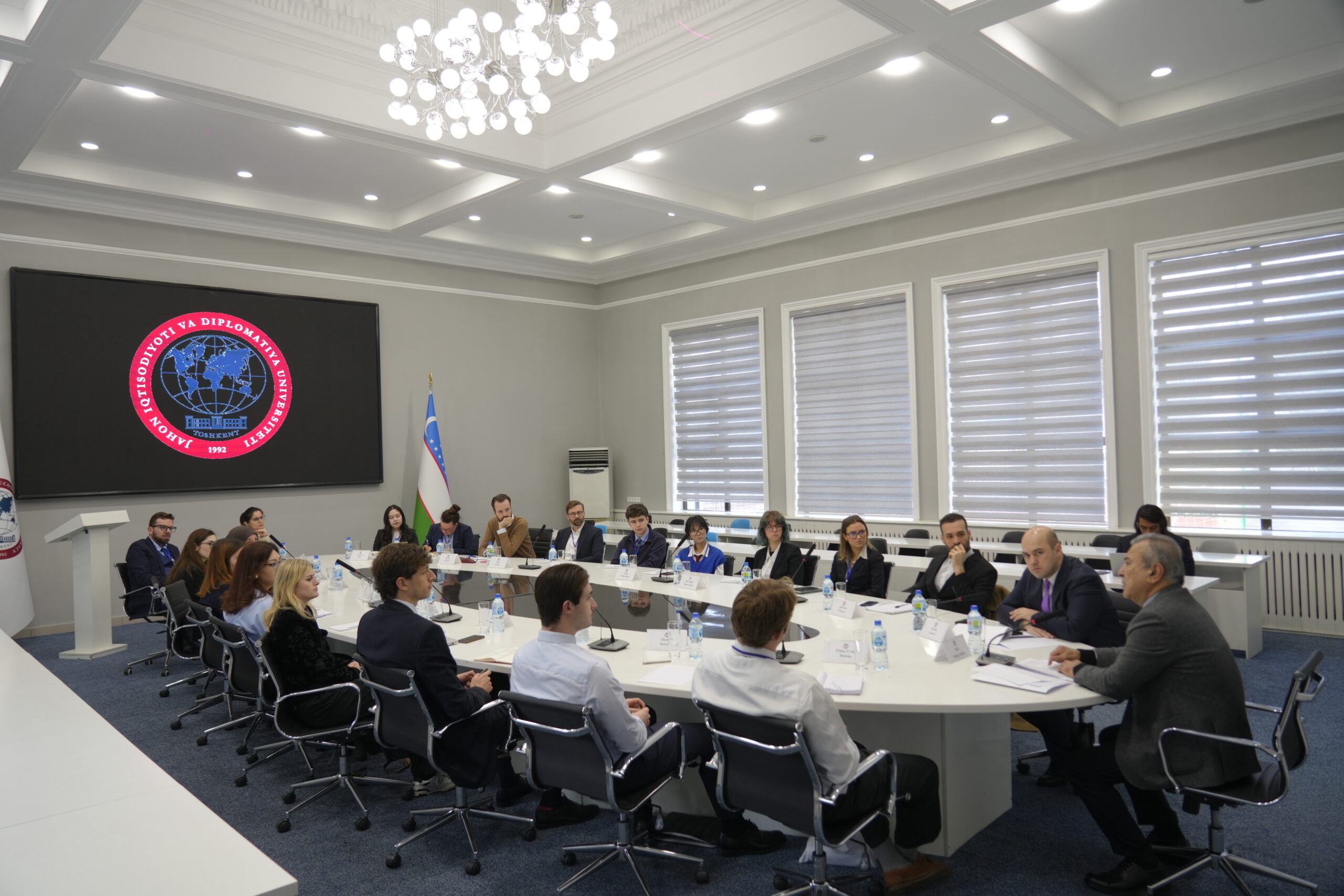
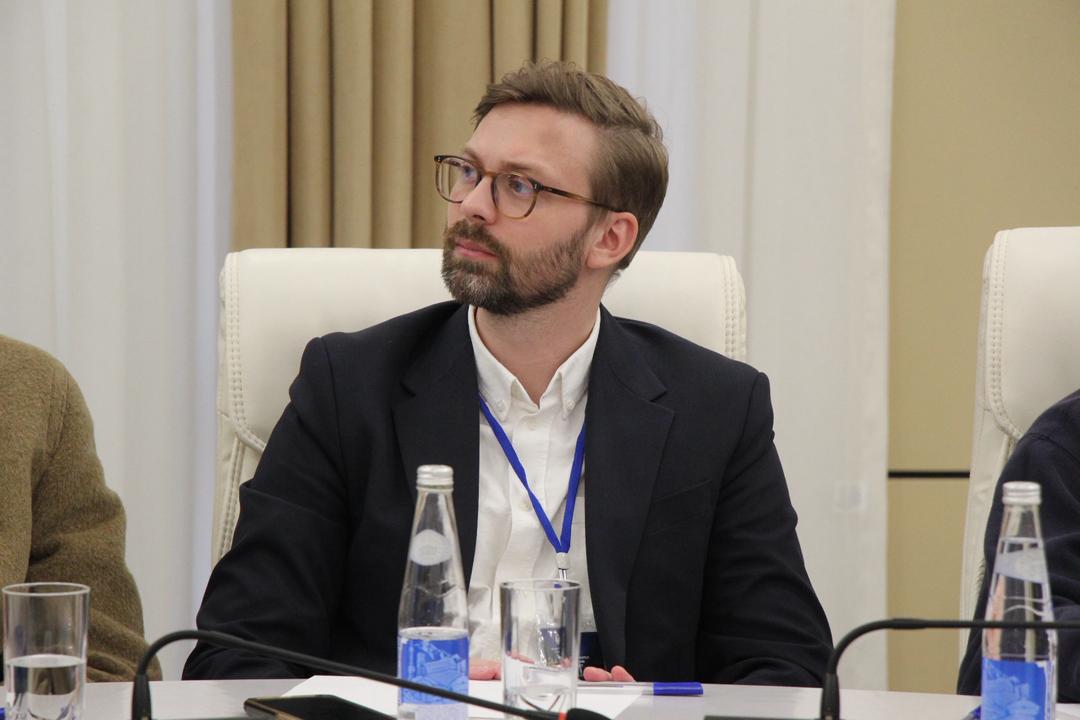
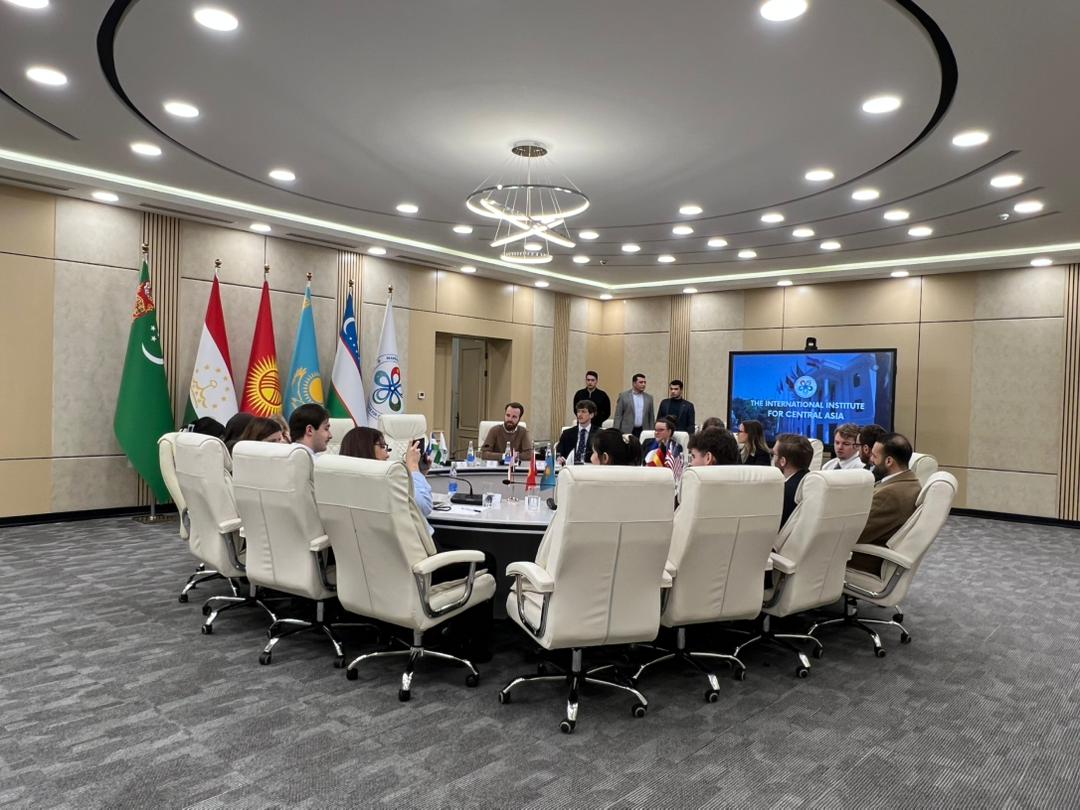
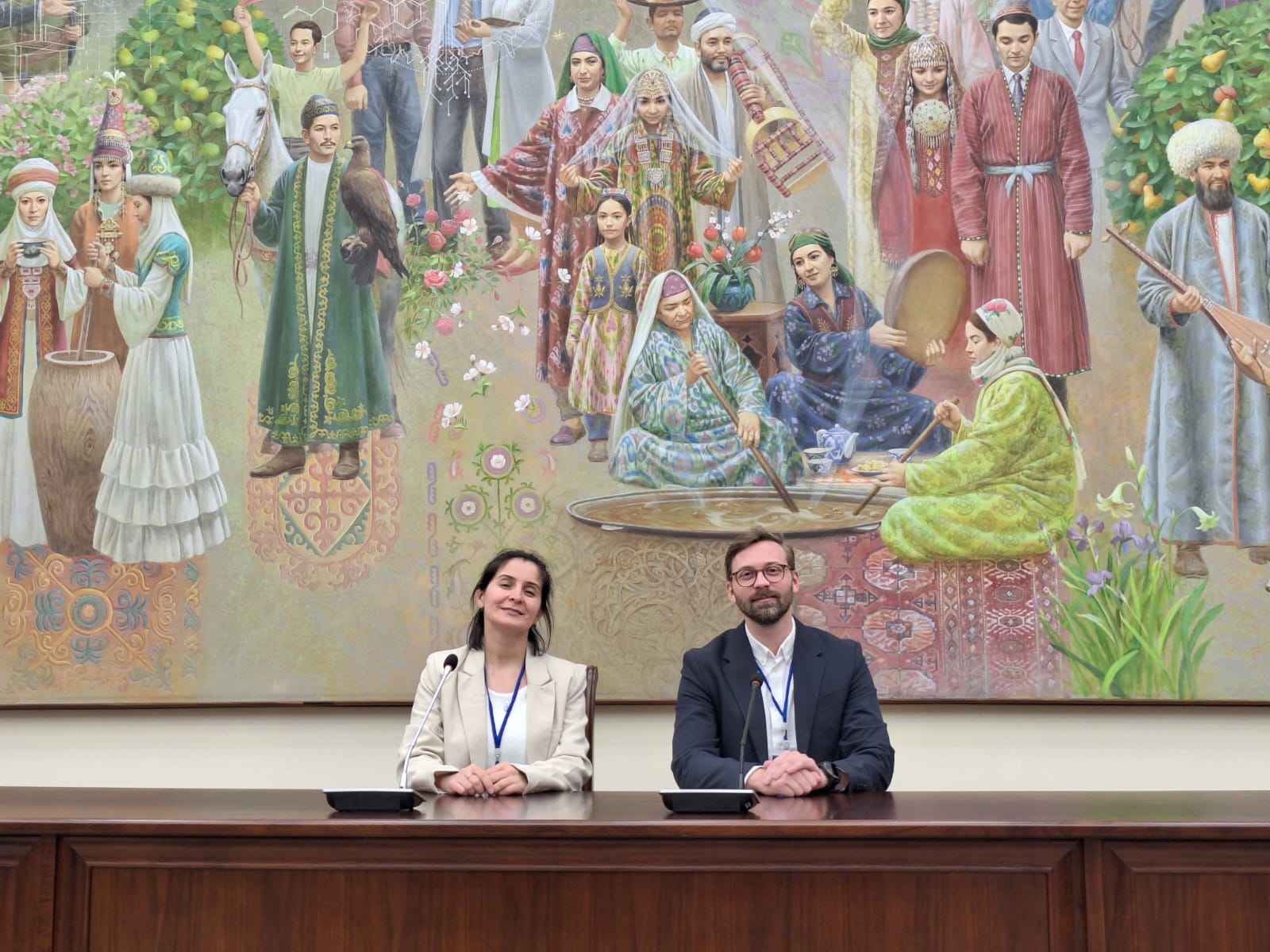
From 5–10 January 2026, we had the privilege of participating in the Central Asia Winter School hosted by the University of World Economy and Diplomacy (UWED) in Tashkent. This intensive academic program brought together students and early career professionals from across the region and beyond to engage in a multidimensional exploration of Central Asia’s evolving geopolitical, economic, and socio-environmental landscape. Through expert-led lectures, interactive discussions, and cultural immersion, the Winter School offered a rare platform for cross-regional dialogue and critical reflection on the region’s future.
The program featured distinguished speakers, including Mr. Sodyq Safoev and Akram Umrarov, whose insights illuminated Central Asia’s transformation from a perceived geopolitical periphery into an increasingly self-determined regional actor. A key message that resonated throughout the lectures was that Central Asia is no longer merely the object of a new “Great Game,” but an independent political and economic subject with its own strategic priorities and trajectories. Discussions highlighted the region’s growing importance as a crossroads of civilizations, infrastructure corridors, and geopolitical interests, as well as its emerging role in shaping multilateral partnerships, including dialogues with the European Union.
Participants further explored regional interdependence, security challenges, and the reconceptualization of regional integration beyond rigid securitization. Particular attention was given to transboundary water governance, climate change, and environmental sustainability, especially the implications of glacier melting, water scarcity, and the Aral Sea crisis for long-term development. Economic transformation, strategic connectivity, and the future role of critical raw materials were also identified as defining factors for Central Asia’s competitiveness in a rapidly changing global economy. To deepen these insights, participants visited the International Institute for Central Asia (IICA), and the Center of Progressive Reforms (CPR), Uzbekistan’s leading think tanks for development and evidence-based policymaking.
One of the most valuable insights was the emphasis on systematic dialogue and security cooperation with Afghanistan as essential foundations for regional stability. The lectures underscored that sustainable growth in Central Asia will depend not only on infrastructure and investment, but also on strengthening institutions, environmental governance, and people-centered policies that generate employment and protect regional independence.
Beyond the academic content, the Winter School fostered meaningful connections among participants through cultural excursions and site visits, reinforcing the importance of intercultural understanding. UWED’s role as a hub for diplomatic training, academic excellence, and regional studies was clearly reflected in the program’s depth, structure, and forward-looking vision.
Stefan Pacher (MAHRS 2025/27) & Shamsiya Shodibekova (MAHRS 2024/26)